No products added!


Written by
vijaysoracle@gmail.com
July 12, 2026
Soil Carbon Enhancing Techniques for Farmers
Healthy soil is the foundation of successful agriculture. One of the most effective ways to improve soil fertility and long-term crop productivity is by increasing Soil Organic Carbon (SOC). Soil carbon acts as a natural reservoir of nutrients, improves soil structure, enhances water retention, and supports beneficial microbial activity.
Farmers across Andhra Pradesh, Telangana, Maharashtra, West Bengal, Assam, as well as Kenya and other African countries, are increasingly adopting soil carbon enhancement techniques to restore degraded soils and improve sustainable agricultural production.
Why is Soil Carbon Important?
Soil carbon plays a vital role in maintaining healthy farmland by:
- Improving soil fertility
- Increasing water-holding capacity
- Enhancing nutrient availability
- Supporting beneficial soil microorganisms
- Reducing soil erosion
- Improving root development
- Increasing crop productivity
- Promoting sustainable agriculture
Best Soil Carbon Enhancing Techniques
1. Apply Organic Manure
Organic manure is one of the best natural sources of soil carbon. It enriches the soil with organic matter while improving microbial activity and nutrient availability.
2. Incorporate Crop Residues
Instead of burning crop residues, incorporate them into the soil. Decomposing plant material naturally increases soil organic carbon.
3. Compost Application
Regular application of well-decomposed compost improves soil structure and increases carbon content over time.
4. Grow Cover Crops
Cover crops protect the soil surface while adding valuable biomass that converts into soil organic carbon after decomposition.
5. Reduce Excessive Tillage
Minimum tillage helps preserve soil carbon by reducing oxidation and maintaining soil structure.
6. Practice Crop Rotation
Diverse cropping systems contribute different organic residues that improve soil biodiversity and carbon storage.
7. Use Carbon Enhancing Soil Amendments
Specialized carbon-enhancing products can significantly improve soil organic matter, nutrient retention, and microbial activity.
Benefits of High Soil Organic Carbon
Increasing soil carbon offers several long-term advantages:
- Better soil structure
- Higher crop yields
- Improved fertilizer efficiency
- Enhanced drought resistance
- Better root growth
- Reduced nutrient loss
- Improved microbial diversity
- Greater environmental sustainability
Role of Dharani Organics
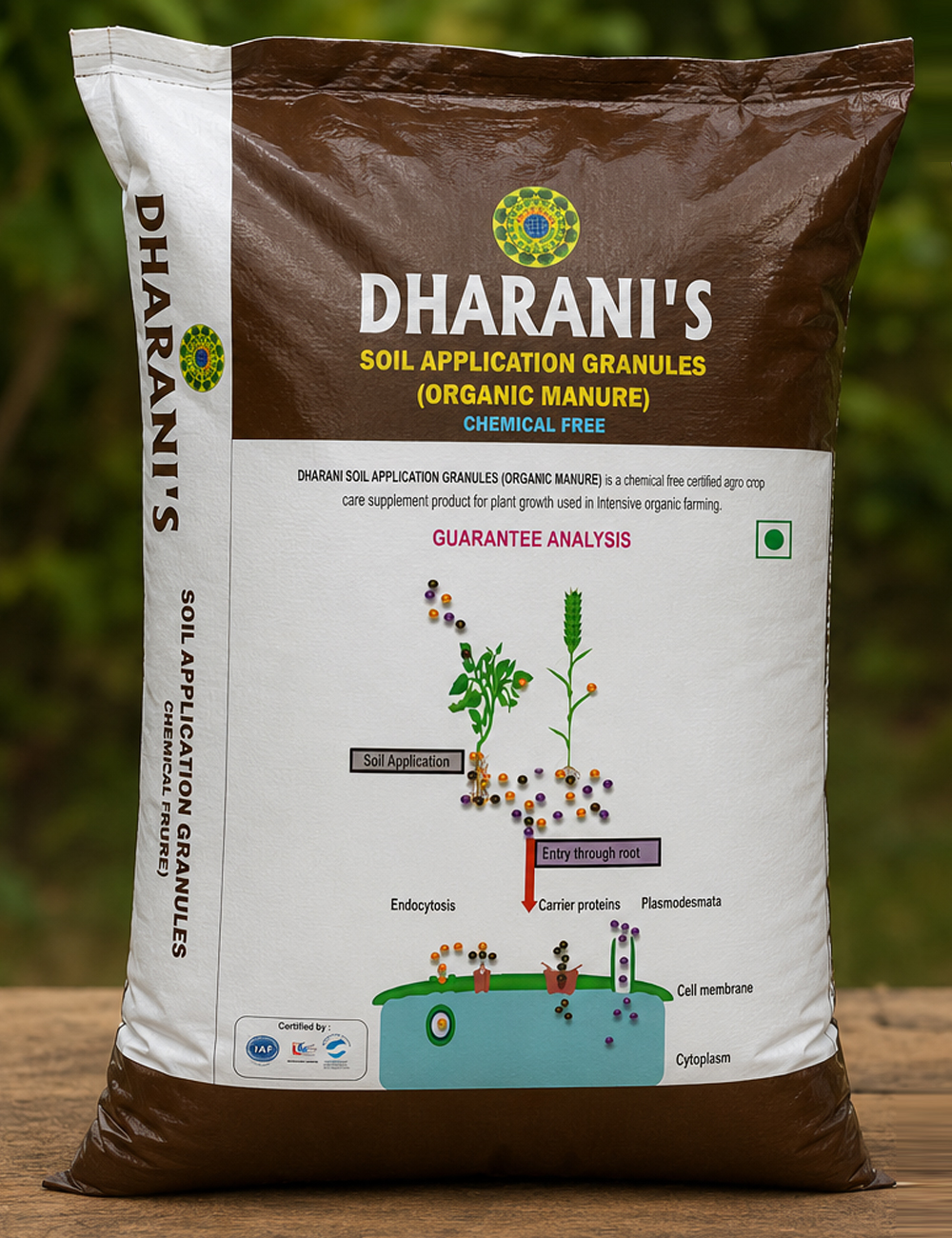
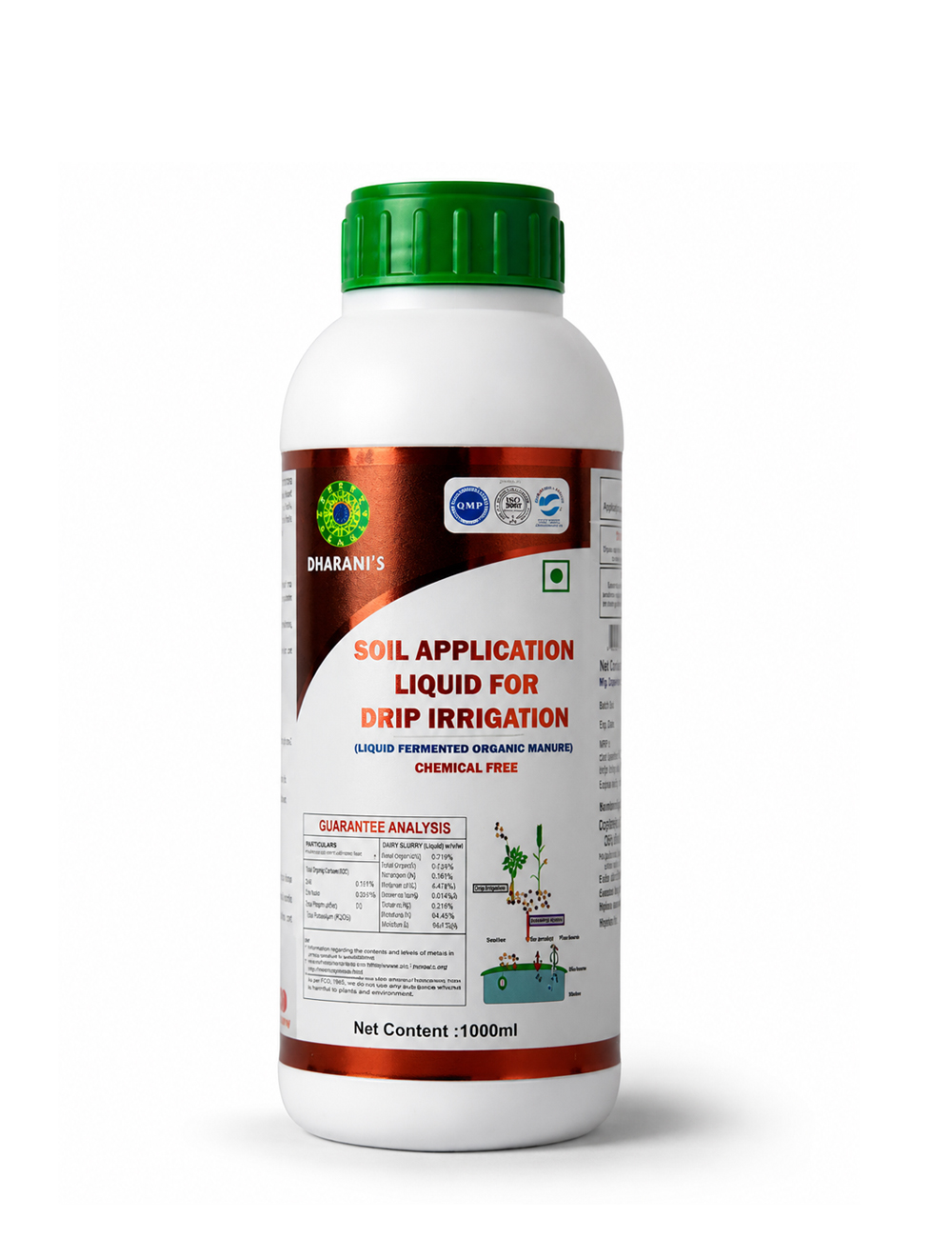
Dharani Organics manufactures premium-quality agricultural products that help farmers improve soil health through sustainable carbon management practices. Our products are developed to enhance soil fertility, increase organic matter, and support long-term agricultural productivity across India and Africa.
Best Crops That Benefit from Soil Carbon Enhancement
- Paddy
- Cotton
- Maize
- Groundnut
- Sugarcane
- Pulses
- Fruits
- Vegetables
- Spices
- Plantation Crops
Conclusion
Improving soil organic carbon is one of the smartest long-term investments for modern farmers. By adopting sustainable practices such as applying organic manure, composting, cover cropping, residue management, and carbon-enhancing soil amendments, farmers can build healthier soils, increase productivity, and improve profitability while protecting the environment.
Dharani Organics remains committed to supporting farmers with innovative agricultural solutions that promote healthy soils and sustainable farming practices.
FAQ
What is soil organic carbon?
Soil organic carbon is the carbon stored in organic matter within the soil, contributing to soil fertility and plant growth.
How can farmers increase soil carbon?
Farmers can increase soil carbon by applying organic manure, compost, crop residues, cover crops, and reducing excessive tillage.
Why is soil carbon important?
It improves soil fertility, enhances water retention, increases nutrient availability, and supports beneficial microorganisms.
Which crops benefit most from soil carbon enhancement?
Paddy, cotton, maize, sugarcane, pulses, vegetables, fruits, spices, and plantation crops all benefit from improved soil carbon.
Is soil carbon enhancement suitable for all soil types?
Yes. Proper soil carbon management practices can improve the health and productivity of most agricultural soils.
This topic targets highly searched agricultural keywords while aligning well with Dharani Organics’ expertise in sustainable farming and soil health.