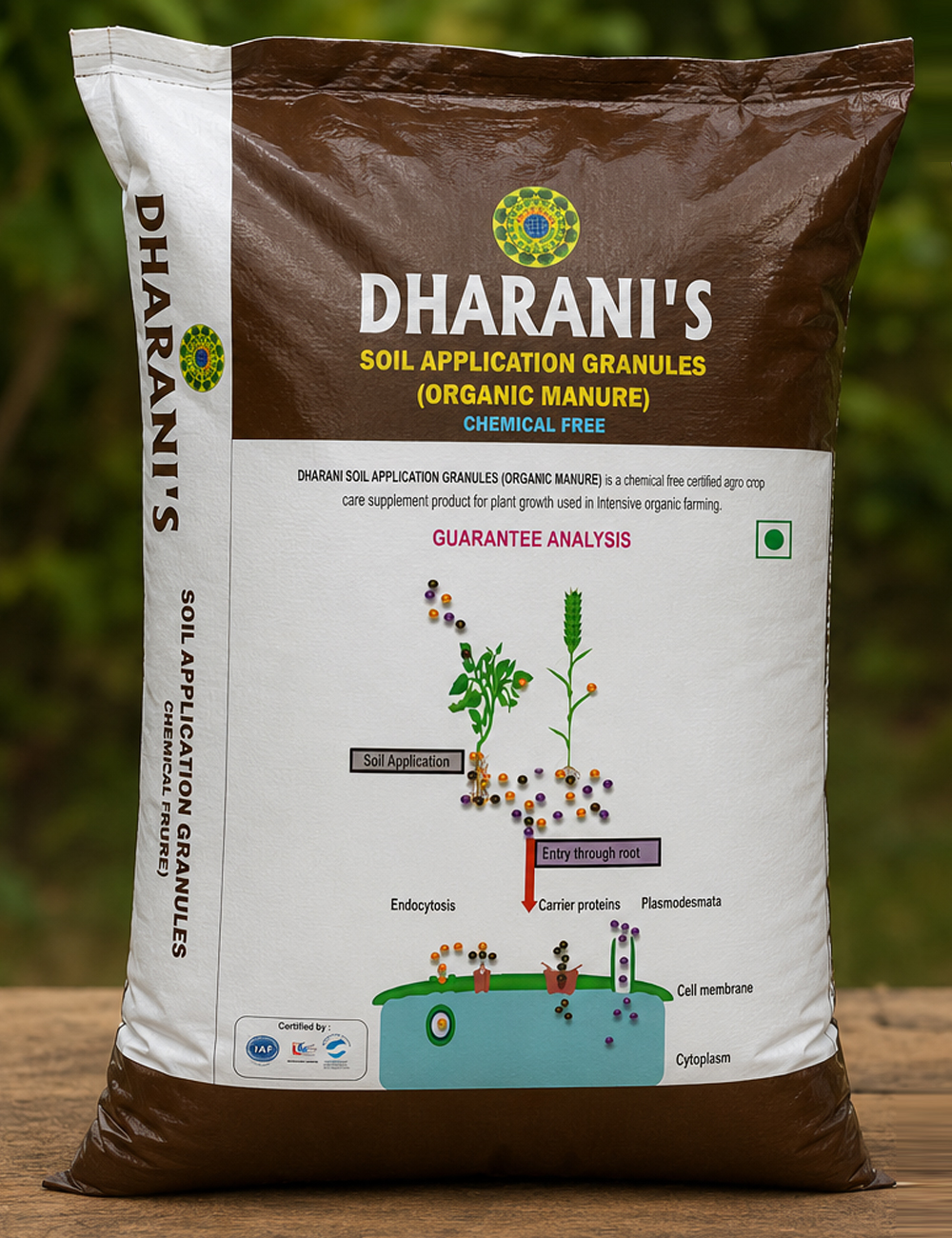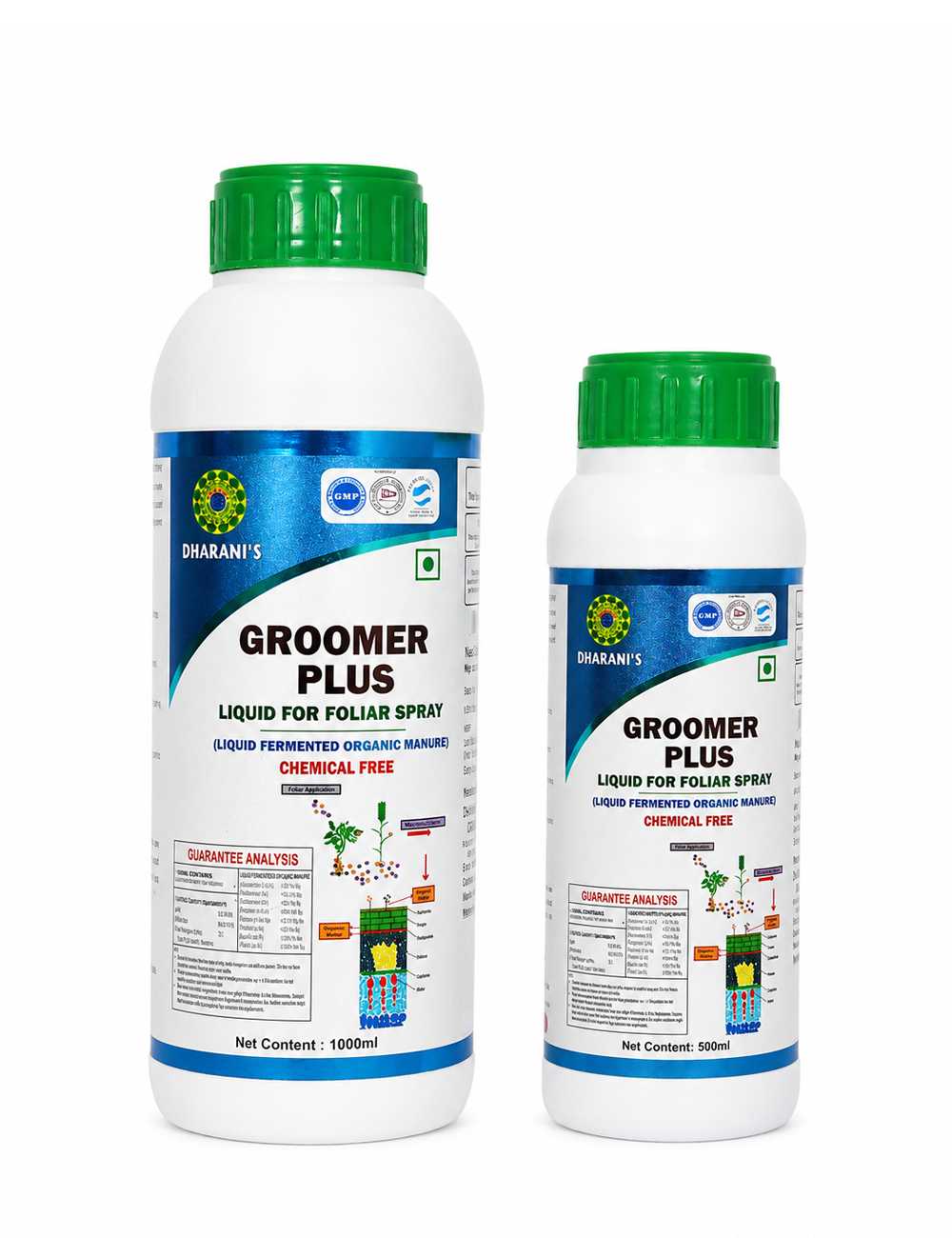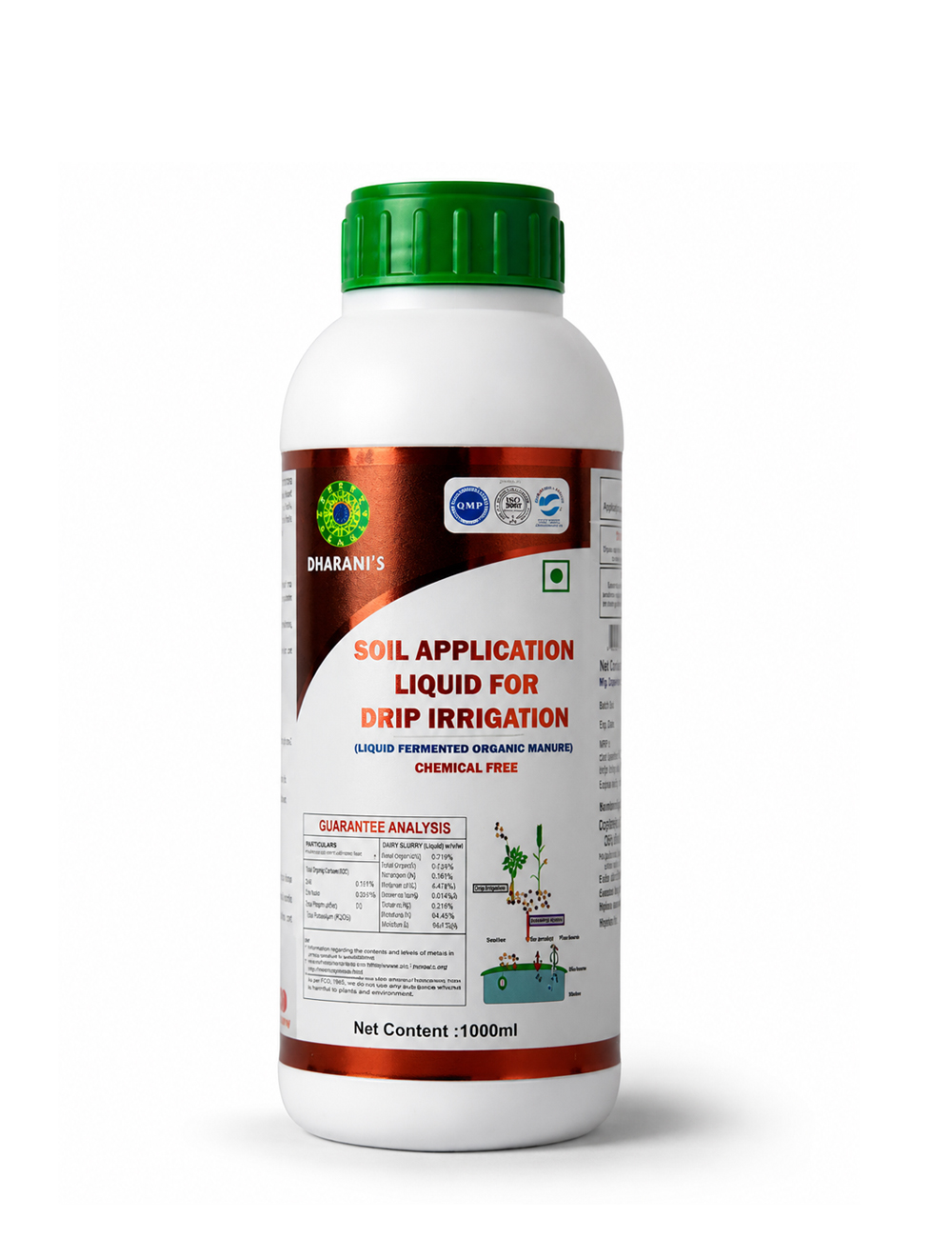
No products added!
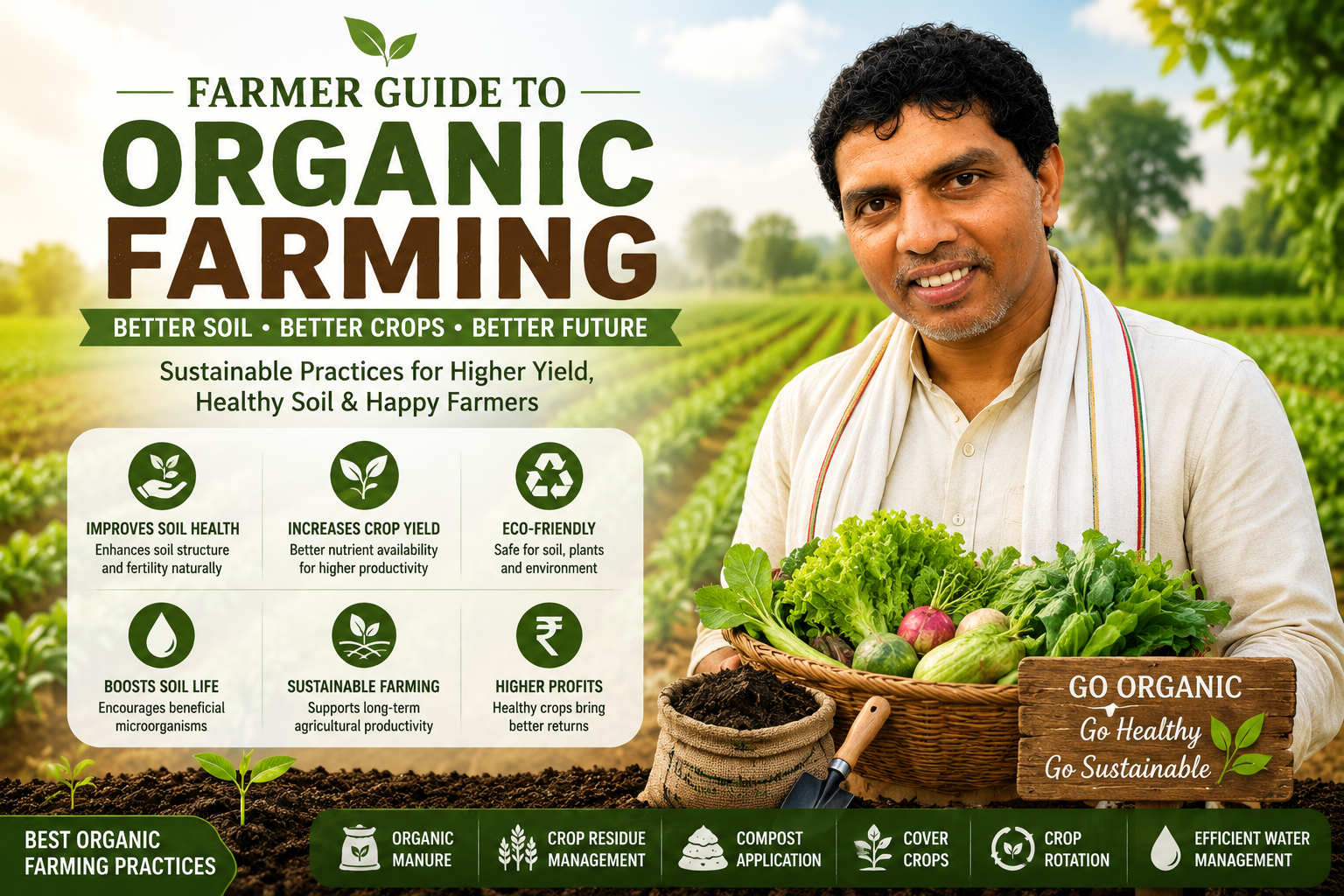

Introduction
Organic farming has become one of the most reliable and sustainable agricultural practices for improving soil fertility, producing healthier crops, and ensuring long-term farm productivity. Farmers across Andhra Pradesh, Telangana, Maharashtra, West Bengal, Assam, and several African countries including Kenya are increasingly adopting organic farming methods to reduce dependence on chemical fertilizers while improving crop quality and profitability.
At Dharani Organics, we manufacture premium-quality organic agricultural products designed to support sustainable farming. Our commitment is to provide farmers with innovative organic solutions that improve soil health, enhance nutrient availability, and promote environmentally responsible agriculture.
What is Organic Farming?
Organic farming is an agricultural system that focuses on cultivating crops using natural inputs instead of synthetic chemicals. It promotes biological diversity, improves soil structure, conserves water, and encourages beneficial microorganisms that naturally support plant growth.
Organic farming emphasizes:
- Natural soil fertility
- Organic manure application
- Balanced crop nutrition
- Sustainable crop production
- Environmental conservation
- Healthy food production
Benefits of Organic Farming
Improves Soil Health
Organic inputs increase beneficial microbial activity, enhance soil structure, and improve water retention.
Higher Crop Quality
Crops grown under organic practices generally possess improved nutritional value, better taste, and longer shelf life.
Sustainable Agriculture
Organic farming minimizes environmental pollution while preserving natural resources for future generations.
Better Water Conservation
Organic matter helps soil retain moisture, reducing irrigation requirements.
Enhanced Biodiversity
Organic farming supports beneficial insects, earthworms, pollinators, and natural ecosystems.
Long-Term Productivity
Healthy soils continue producing better yields over multiple cropping seasons.
Essential Organic Farming Practices
1. Soil Testing
Regular soil analysis helps determine nutrient deficiencies and suitable organic amendments.
2. Organic Manure Application
Applying high-quality organic manure replenishes essential nutrients while improving soil fertility.
3. Crop Rotation
Rotating crops prevents pest buildup and naturally restores soil nutrients.
4. Green Manuring
Growing green manure crops enriches soil with organic matter and nitrogen.
5. Compost Management
Well-decomposed compost improves soil texture and nutrient availability.
6. Water Management
Efficient irrigation conserves water and promotes healthy root development.
7. Biological Pest Management
Using biological control methods minimizes pest damage without harming beneficial organisms.
Importance of Organic Manure
Organic manure plays a crucial role in sustainable farming by:
- Improving soil fertility
- Increasing microbial activity
- Enhancing nutrient availability
- Improving root development
- Reducing chemical dependency
- Increasing moisture retention
- Supporting long-term crop productivity
Why Farmers Choose Dharani Organics
Dharani Organics manufactures premium organic agricultural solutions that help farmers achieve sustainable crop production with improved soil fertility and balanced nutrition.
Our products are trusted by farmers across:
- Andhra Pradesh
- Telangana
- Maharashtra
- West Bengal
- Assam
We also supply quality organic agricultural products to Kenya and several African countries, supporting farmers with reliable and environmentally friendly farming solutions.
Best Crops for Organic Farming
Organic farming is suitable for a wide range of crops, including:
- Paddy
- Cotton
- Maize
- Groundnut
- Pulses
- Sugarcane
- Fruits
- Vegetables
- Spices
- Plantation Crops
Tips for Successful Organic Farming
- Choose certified quality organic inputs.
- Improve soil organic matter regularly.
- Follow balanced nutrient management.
- Adopt crop rotation.
- Practice integrated pest management.
- Monitor soil moisture.
- Maintain field hygiene.
- Apply organic manure at recommended intervals.
Why Soil Health Matters
Healthy soil forms the foundation of productive agriculture. Rich organic matter supports beneficial microorganisms, improves nutrient cycling, and creates favorable conditions for healthy plant growth. Investing in soil health today ensures better crop performance and long-term sustainability.
Conclusion
Organic farming is not just a cultivation method—it is a commitment to healthier soils, stronger crops, and sustainable agriculture. By adopting scientific organic farming practices and using high-quality organic inputs, farmers can improve productivity while protecting the environment.
Dharani Organics is committed to supporting farmers with premium organic agricultural products that contribute to healthier crops, improved soil fertility, and sustainable farming practices across India and Africa.
FAQs
What is organic farming?
Organic farming is a natural method of cultivation that uses organic inputs and sustainable agricultural practices instead of synthetic chemicals.
Why is organic manure important?
Organic manure improves soil fertility, enhances microbial activity, increases water retention, and supports healthy crop growth.
Which crops benefit from organic farming?
Paddy, cotton, maize, pulses, vegetables, fruits, spices, sugarcane, and plantation crops all benefit from organic farming practices.
Is organic farming suitable for all soil types?
Yes. With proper soil management and suitable organic inputs, organic farming can be successfully adopted across different soil types.
Why choose Dharani Organics?
Dharani Organics manufactures high-quality organic agricultural products designed to improve soil health, support sustainable farming, and enhance crop productivity for farmers across India and African markets.